Pelvic Organ Prolapse Treatment in Midland, Michigan
That Heaviness Doesn't Get the Final Word
That dragging heaviness late in the day, the pressure that builds when you're on your feet, the sense that something isn't sitting where it should — pelvic organ prolapse symptoms are common after childbirth and through menopause, but they aren't something you have to live around. We look at how your pelvic floor, core, and breath manage pressure together, then build a plan to help you feel supported again.
You Were Told to Just Live With It
The Heaviness Gets Worse as the Day Goes On
By morning things might feel almost normal, but by evening there's a dragging, full feeling that makes you want to lie down. That end-of-day pattern is classic with prolapse — gravity, fatigue, and how your pelvic floor manages load all play a part.
Every Lift Feels Like a Risk
Picking up your kids, carrying groceries, even a hard sneeze can bring a wave of pressure or a sense that something is bearing down. When your core and pelvic floor aren't sharing load well, everyday effort starts to feel like something to brace against.
The Kegels Didn't Fix It
You were handed a sheet of Kegels and told to squeeze, but the heaviness stayed — or got worse. Prolapse symptoms aren't only about strength; they're about coordination and pressure, and squeezing harder without the full picture often misses what's actually going on.
Looking at the Whole Pressure System
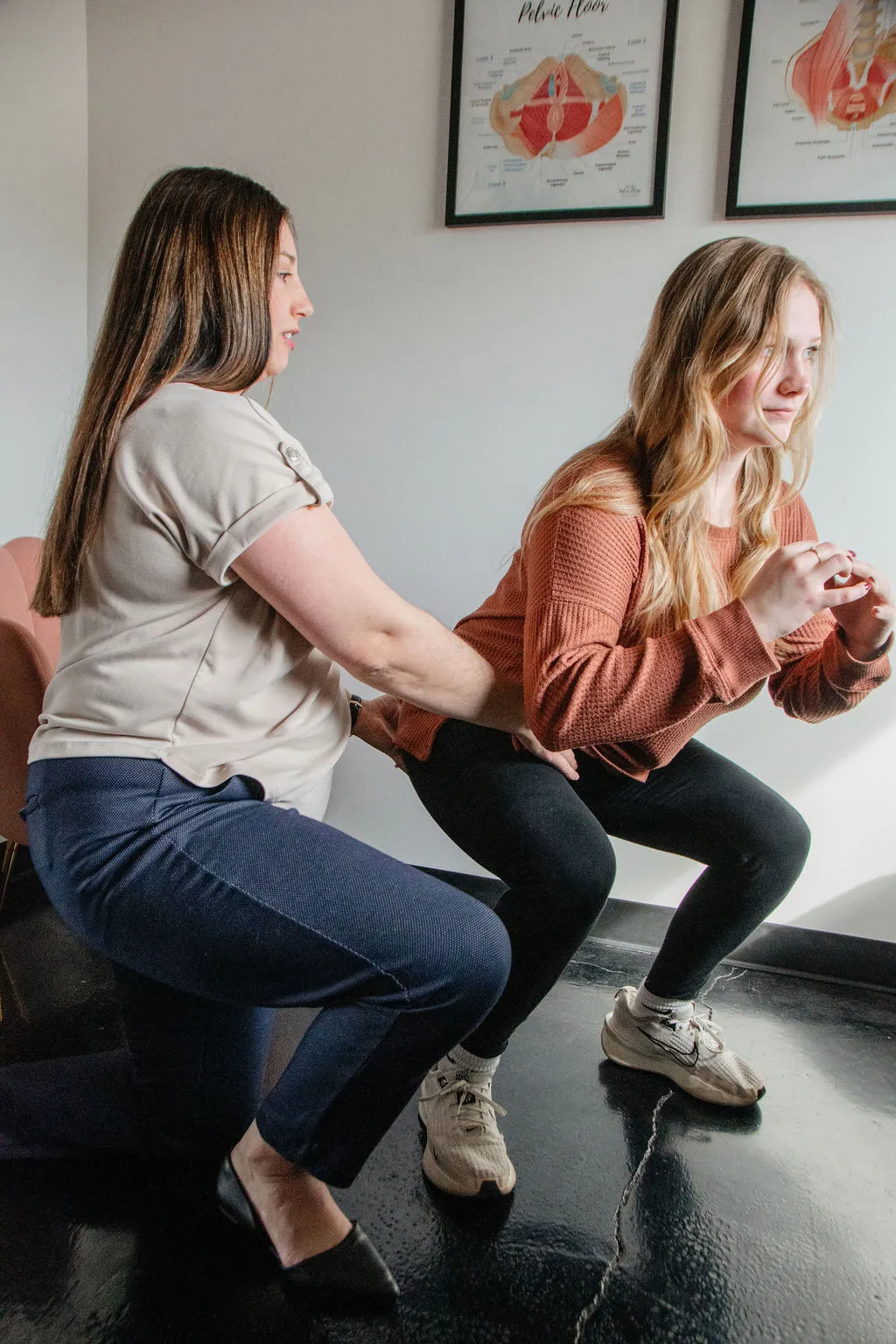
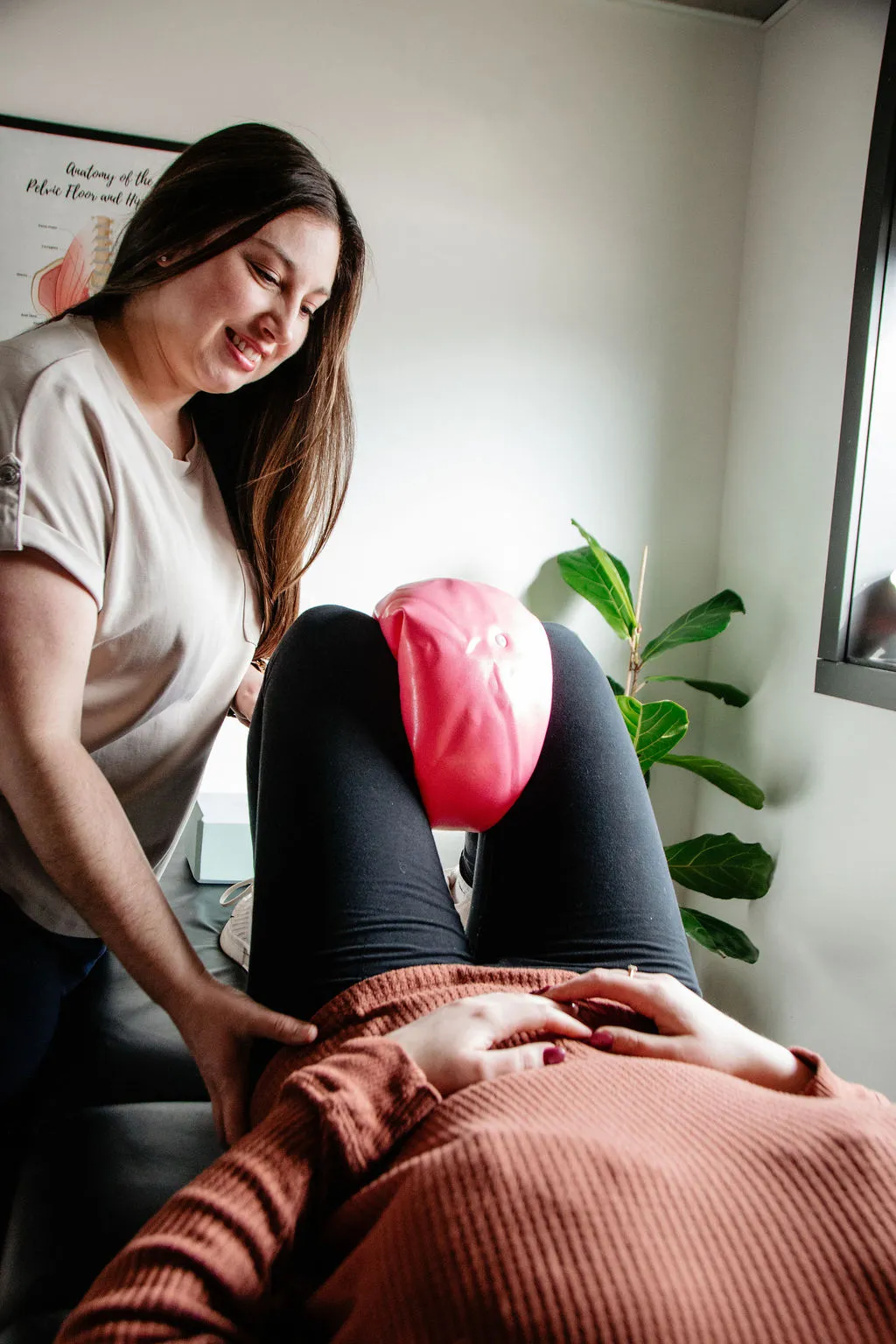
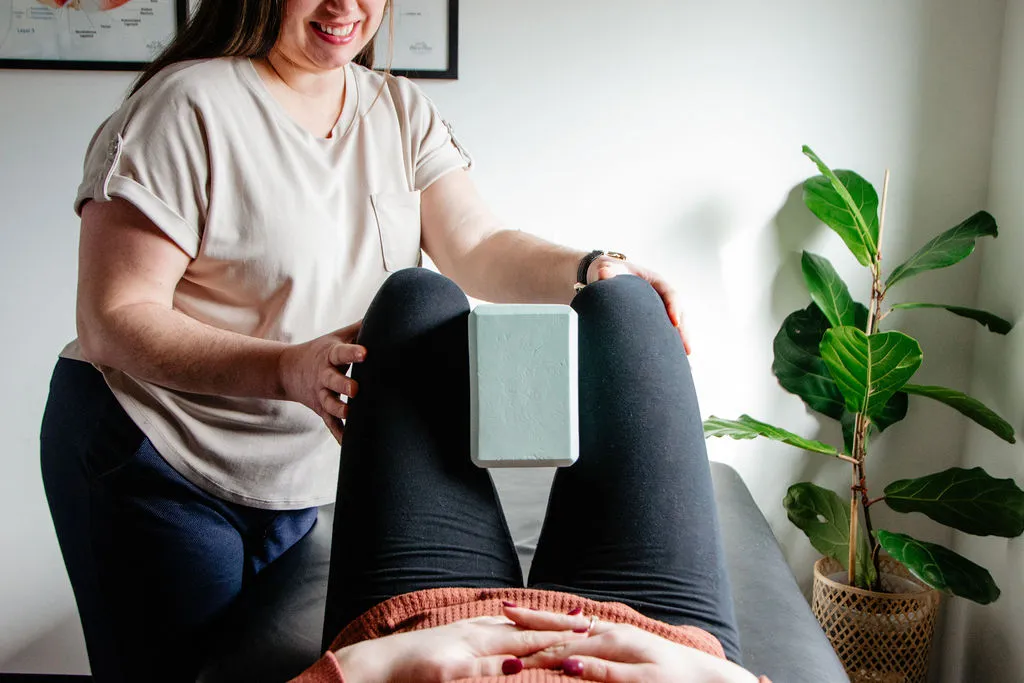
Prolapse symptoms aren't only about a weak pelvic floor — they're about how your deep core, diaphragm, and pelvic floor share pressure with every breath, step, and lift. We look at those pieces together, so your plan addresses what's actually driving the heaviness and pressure, not just one muscle in isolation.
What Women Notice First
Prolapse care at Pelvic Wellness starts with what you're actually feeling day to day — the symptoms that bring women in once they realize the heaviness and pressure aren't going to settle down on their own.
Pelvic Heaviness or Pressure - A dragging, full, or weighted feeling low in the pelvis that often builds as the day goes on or after time on your feet.
A Sense of Bulging or "Something There" - The feeling that something is bearing down, slipping, or sitting lower than it should, especially with standing, lifting, or straining.
Bladder Changes - Leaking, urgency, a slow start, or a sense that you don't fully empty — bladder symptoms often travel alongside prolapse as support and coordination shift.
Bowel Symptoms - Straining, incomplete emptying, or needing to reposition to go — common when pelvic floor support and pressure management aren't working together.
Discomfort With Intimacy - Pressure, looseness, or self-consciousness during intimacy that can come with prolapse symptoms and is rarely talked about openly.
Weighing a Pessary or Surgery - Women who want to understand what conservative pelvic floor therapy can address first, whether alongside other options or before deciding on next steps.
General pelvic floor strength, coordination, and pressure-management support for women who want to feel steadier and more confident in their bodies.
Your Path to a Pain-Free, Leak-Free Life

Schedule Your Free Consultation
Call or book online for a free phone consultation. You and Sierra will talk through your symptoms, goals, and questions, no commitment required.

Complete Your Comprehensive Evaluation
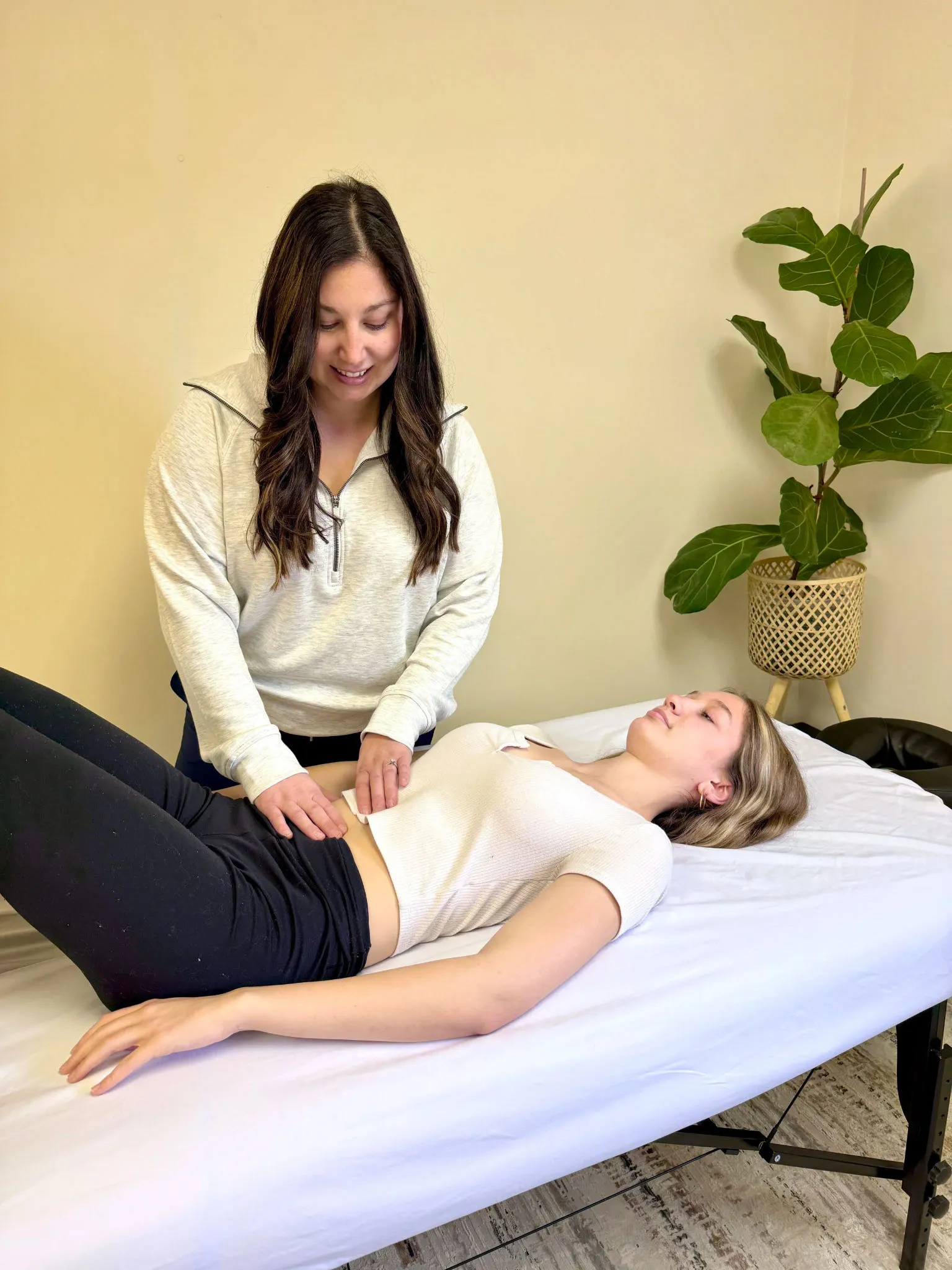
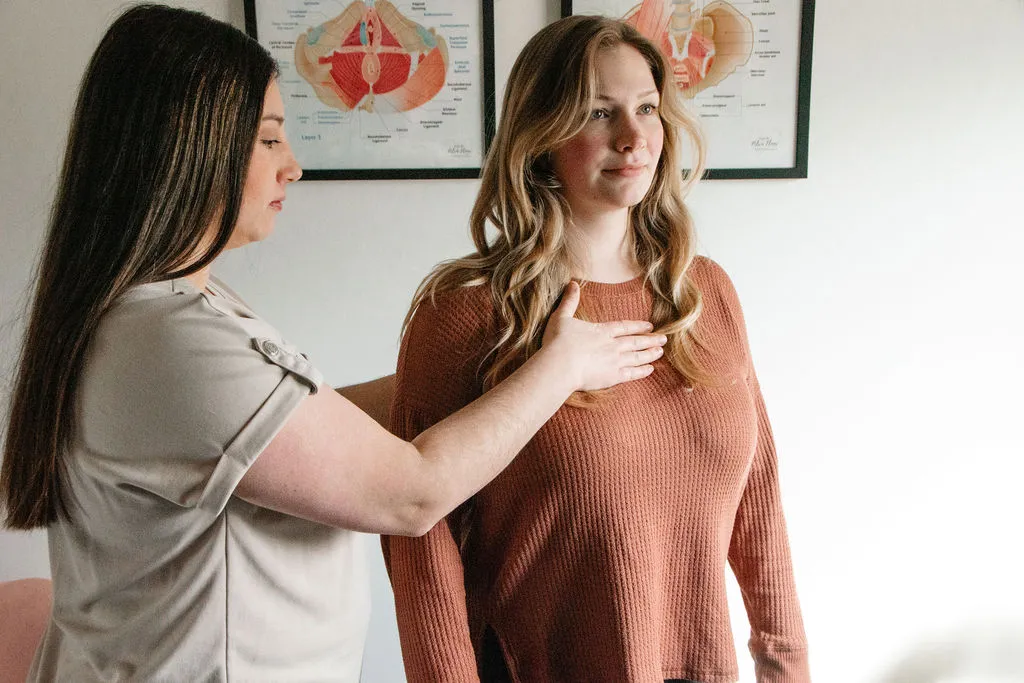
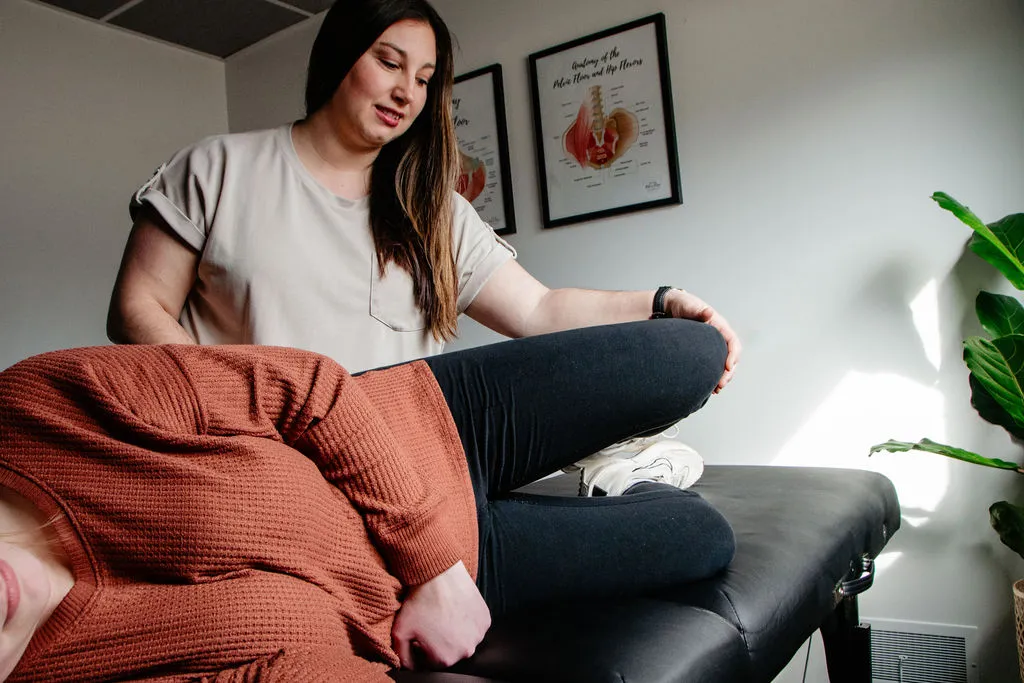
Your first in-person session is a full 60-minute assessment. Sierra evaluates your posture, breathing, and movement and, if you choose, your pelvic floor internally. You'll leave with clarity on what's happening and why.

Your Personalized Plan
You'll receive a treatment plan built specifically for your body and your life, not a generic exercise sheet. Sessions continue one-on-one with Sierra until you're where you want to be.
What Women in Midland Are Saying
From women who stopped bracing against the heaviness and started feeling supported again.


Frequently Asked Questions
Have questions about prolapse care at Pelvic Wellness? Here's what women most often ask before booking.
No. Occupational therapy in Michigan doesn't require a physician referral. You can schedule your free consultation directly — no paperwork from your doctor and no approvals to wait on — and start working on a plan for your prolapse symptoms right away.
For many women, conservative pelvic floor therapy improves symptoms like heaviness, pressure, and bladder changes by retraining how the pelvic floor and core manage load. It won't replace your physician's care, but it's often a meaningful first step — and a strong support alongside other options.
Not necessarily. An internal assessment is one option we may discuss, but a thorough evaluation can be done without it. We explain every step before any hands-on work begins, and you're always in control of what happens during your session.
Your first visit is a 60-minute, one-on-one evaluation. We review your history, talk through your goals, and assess your pelvic floor, core, and how your body manages pressure during movement. You'll leave with a clear picture of what we found and a plan for what comes next.
Pelvic Wellness is a cash-based practice. HSA and FSA funds are accepted. A superbill can be provided upon request if you'd like to submit to your insurance for potential out-of-network reimbursement — though reimbursement is not guaranteed and is yours to pursue with your carrier.
Still have questions?
Still have questions about prolapse care? We're happy to talk it through on a free consultation call.
Ready to Feel Supported Again?
Schedule your free consultation and leave with a clear picture of what's behind your symptoms — and a plan to help you feel steadier, day to day.