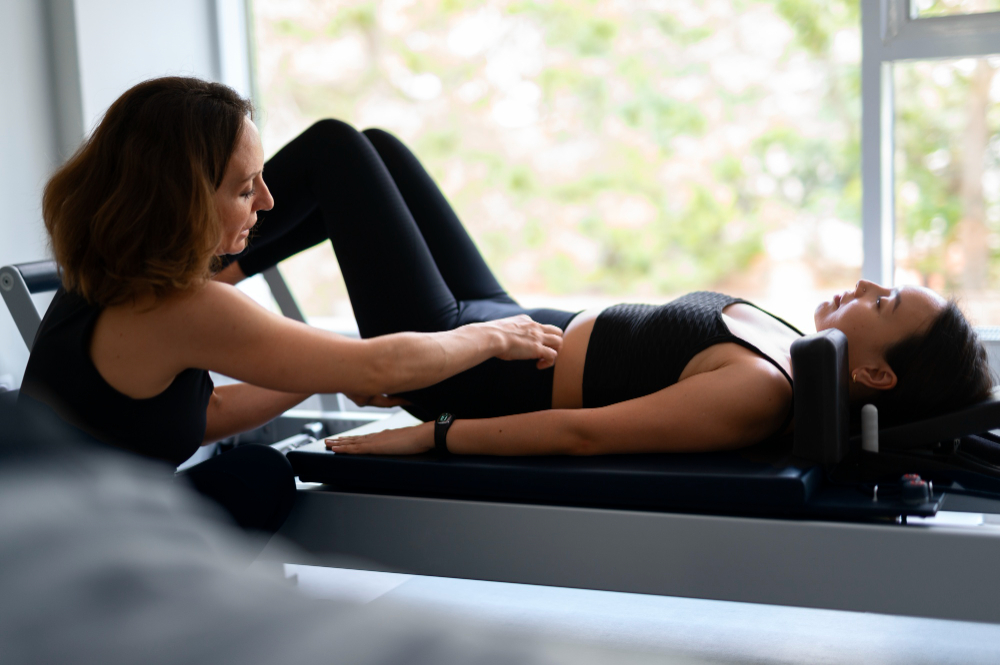
Pelvic Floor Therapy for Menopause in Midland, Michigan
Midlife Doesn't Have to Feel Like Damage Control
Bladder leakage, pelvic pressure, painful intimacy, and a core that doesn't feel like yours anymore — these are common through menopause, but they're not inevitable. We take a whole-body approach to help you understand what's happening and build a plan that actually addresses it.

You Shouldn't Have to Just Accept This
Leaking Is Changing How You Show Up
Laughing, sneezing, a brisk walk — if bladder leakage is showing up more during menopause, it's not just aging. Hormonal changes affect how the pelvic floor coordinates, and that pattern is often something that can be addressed.
Pelvic Heaviness Is Showing Up More Often
Heaviness, pressure, or a sense that things have shifted — these are common through menopause as estrogen levels drop and tissue support changes. But feeling it doesn't mean you have to live with it. There's often more that can be done.
Intimacy Has Become Painful or Absent
Vaginal dryness, pelvic floor tension, and pain with intercourse are common during and after menopause — but they're rarely talked about. Women often assume this is just how it is now. For many, it doesn't have to be.
A Whole-Body Look at What's Changing
Menopause affects more than hormones. It shifts how your pelvic floor coordinates, how your core activates, and how your body manages pressure. We look at these factors together — not in isolation — to understand what's driving your symptoms.

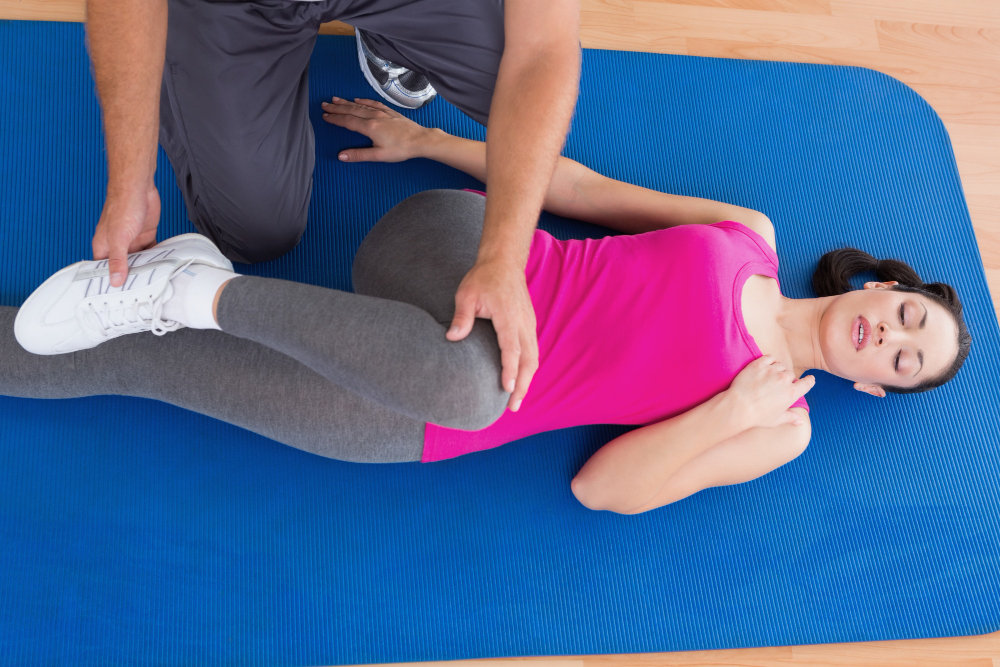
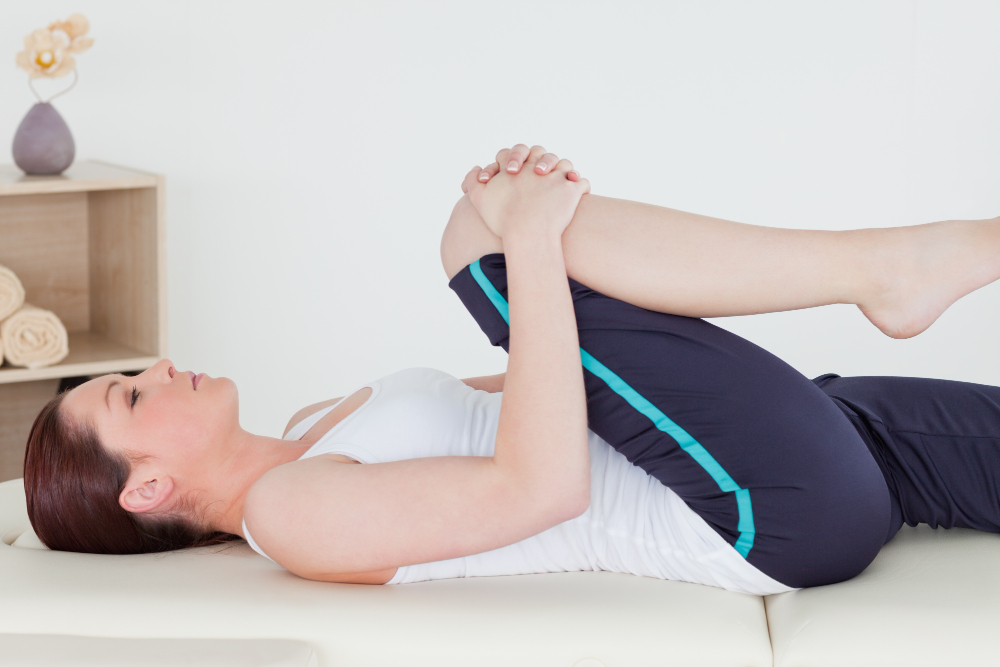
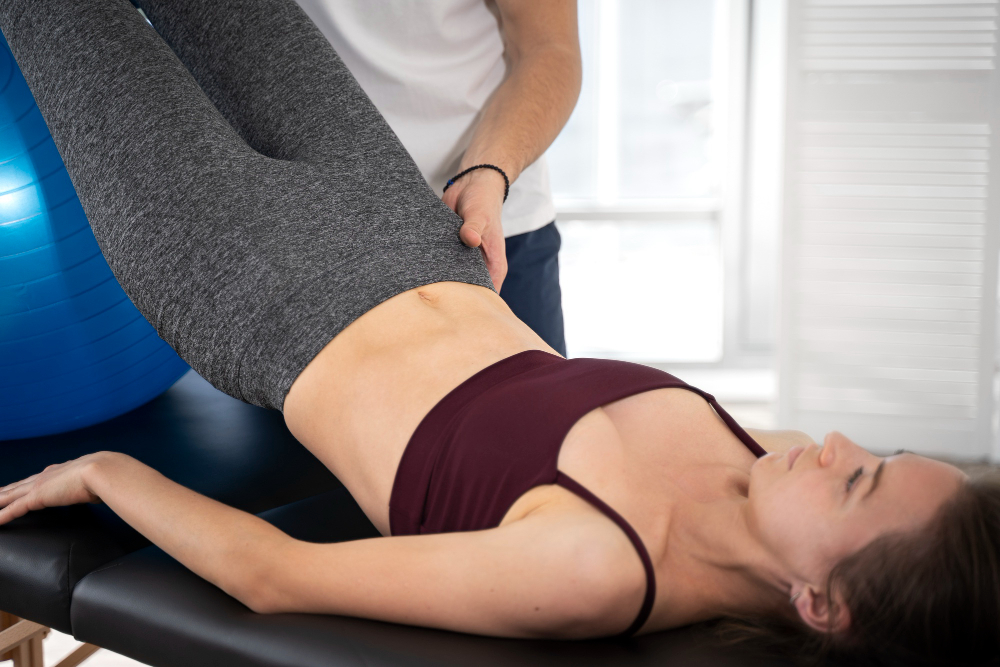
What Women in Menopause Come to Us With
Pelvic floor therapy for menopause at Pelvic Wellness focuses on what's actually changing in your body — starting with the concerns women most often bring when they realize there's more they can do.
Bladder Leakage - Urinary leaking that increases during or after menopause, including leaking with physical activity, sudden urgency, or both — common with hormonal shifts that affect pelvic floor coordination.
Pelvic Organ Prolapse Symptoms - Heaviness, pressure, or a sense of bulging that develops or worsens during menopause as estrogen levels drop and tissue support changes.
Painful Intercourse - Vaginal dryness, tissue sensitivity, and pelvic floor tension that can make intimacy uncomfortable or painful during and after menopause.
Pelvic Pain or Pressure - Ongoing discomfort in the pelvis, hips, or low back that may be connected to pelvic floor tension or coordination patterns that shift through menopause.
Core and Pressure Management - Difficulty managing intra-abdominal pressure during lifting, exercise, or daily activity — a common pattern as the core-pelvic floor relationship shifts with hormonal changes.
Lingering Postpartum Concerns - Pelvic floor symptoms that began with pregnancy or delivery and have continued or become more noticeable through perimenopause and menopause.
Pelvic floor strengthening, mobility, and coordination for women who want to stay active and feel more confident in their bodies through every stage of menopause.
Your Path to a Pain-Free, Leak-Free Life

Schedule Your Free Consultation
Call or book online for a free phone consultation. You and Sierra will talk through your symptoms, goals, and questions, no commitment required.

Complete Your Comprehensive Evaluation
Your first in-person session is a full 60-minute assessment. Sierra evaluates your posture, breathing, and movement and, if you choose, your pelvic floor internally. You'll leave with clarity on what's happening and why.

Your Personalized Plan
You'll receive a treatment plan built specifically for your body and your life, not a generic exercise sheet. Sessions continue one-on-one with Sierra until you're where you want to be.
What Women in Midland Are Saying
From women who decided there was more they could do.




Frequently Asked Questions
Have questions about pelvic floor therapy for menopause? Here's what women commonly ask.
No. A physician referral is not required for occupational therapy in Michigan. You can schedule your free consultation directly — no paperwork from your doctor, no approvals needed — and start working toward your goals right away.
Many women going through perimenopause or menopause find that pelvic floor therapy helps with bladder leakage, pelvic pressure, and discomfort with intimacy. We take a whole-body approach that accounts for how hormonal changes affect pelvic floor coordination and tissue function.
No. While many women who seek pelvic floor therapy are postpartum, we work with women at every life stage — including those navigating perimenopause, menopause, and beyond. Menopause is a significant transition for the pelvic floor, and many women find meaningful benefit from support during this time.
Your first visit is a 60-minute comprehensive evaluation. We review your history, discuss your goals, and assess pelvic floor function, movement, and tissue coordination. You'll leave with a clear picture of what we found and a plan for what comes next.
Pelvic Wellness is a cash-based practice. HSA and FSA funds are accepted. A superbill can be provided upon request if you'd like to submit to your insurance for potential out-of-network reimbursement — though reimbursement is not guaranteed and is yours to pursue with your carrier.
Still have questions?
Still have questions? We're happy to chat on a free consultation call.
Ready to Feel Like Yourself Again?
Schedule your free consultation and take the first step toward feeling more like yourself — through every stage.