Diastasis Recti Treatment in Midland, Michigan
Your Core Isn't Broken. It's Waiting to Reconnect.
That gap down the middle of your belly, the doming when you sit up, the feeling that your core just won't switch back on — diastasis recti is common after pregnancy, but it isn't something you're stuck with. We look at how your core, breath, and pelvic floor work together, then build a plan to rebuild that connection from the inside out.
You Were Told It Would Just Bounce Back
The Gap Hasn't Closed on Its Own
Months or years after delivery, you can still see and feel the separation down your midline. Time alone often isn't enough — without retraining how your core manages pressure, that gap can stay exactly where it is.
Everyday Movement Feels Unstable
Lifting your kids, standing up after sitting, even a deep breath can bring doming, pressure, or a low-back ache. When the core can't manage load the way it used to, your body borrows stability from places that start to complain.
The Crunches Made It Look Worse
You did the workouts and the gap seemed to bulge more, not less. Generic core exercises can push pressure in the wrong direction. Without knowing how your system is coordinating, harder isn't safer — it's just harder.
Rebuilding the Core From the Inside Out
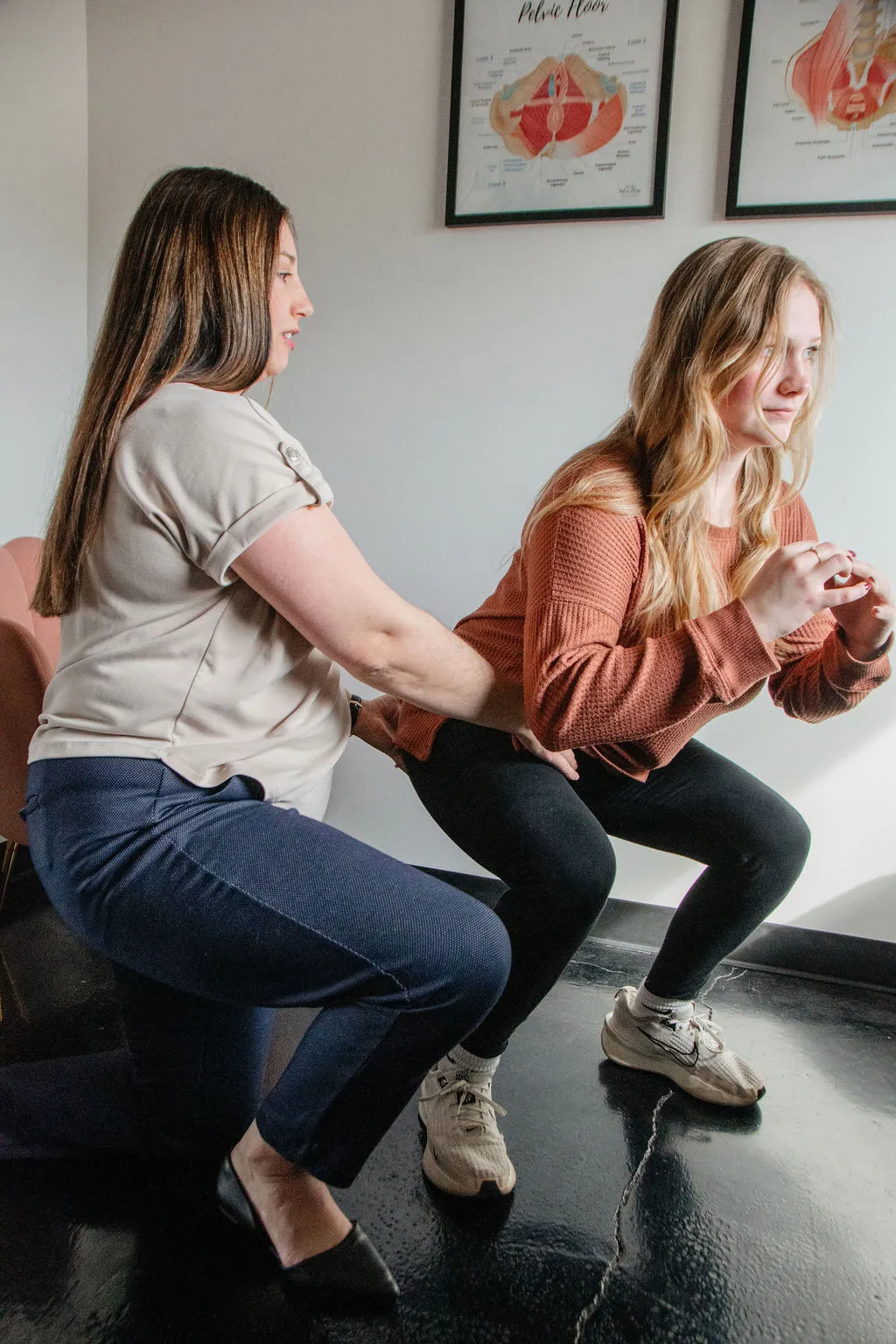
Diastasis recti isn't only about the gap you can see — it's about how your deep core, diaphragm, and pelvic floor share pressure with every breath and movement. We look at those pieces together, so the plan addresses what's actually driving the separation, not just the appearance.
What Women Come to Us With
Diastasis recti care at Pelvic Wellness is built around what women are actually living with — starting with the concerns that bring them in when they realize the gap, and the symptoms around it, aren't going to resolve on their own.
Postpartum Core Separation - A visible or palpable gap along the midline after pregnancy that hasn't closed with time, often paired with a core that feels weak or disconnected.
Abdominal Doming or Coning - A ridge or bulge that pushes out along the center of the belly during sit-ups, lifting, or rolling over — a sign of how pressure is being managed.
Low Back or Pelvic Pain - Aching in the low back, hips, or pelvis that often shows up when the deep core isn't sharing load the way it should after abdominal separation.
Bladder Leakage or Pelvic Pressure - Leaking, heaviness, or pressure that can accompany diastasis recti, since the abdominal wall and pelvic floor work as part of the same system.
A Core That Won't "Switch On" - Difficulty engaging or even feeling your deep core during exercise or daily movement, sometimes long after delivery.
Lingering Separation or Pre-Surgery Questions - Women weighing options for a long-standing separation who want to understand what conservative care can address first.
General core and pressure-management support for any woman who wants to rebuild strength and confidence in her midline after pregnancy.
Your Path to a Pain-Free, Leak-Free Life
Schedule Your Free Consultation
Call or book online for a free phone consultation. You and Sierra will talk through your symptoms, goals, and questions, no commitment required.

Complete Your Comprehensive Evaluation
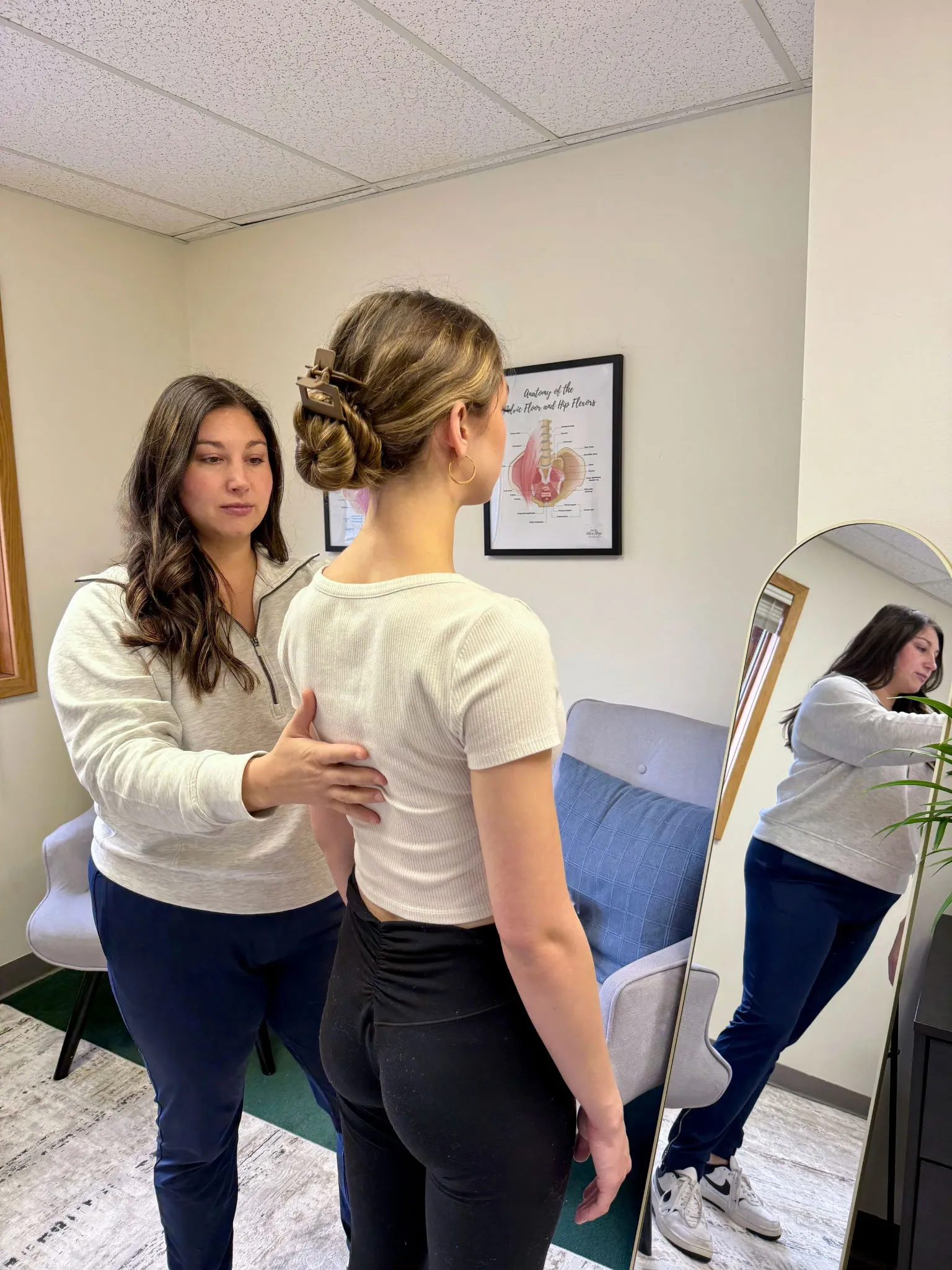
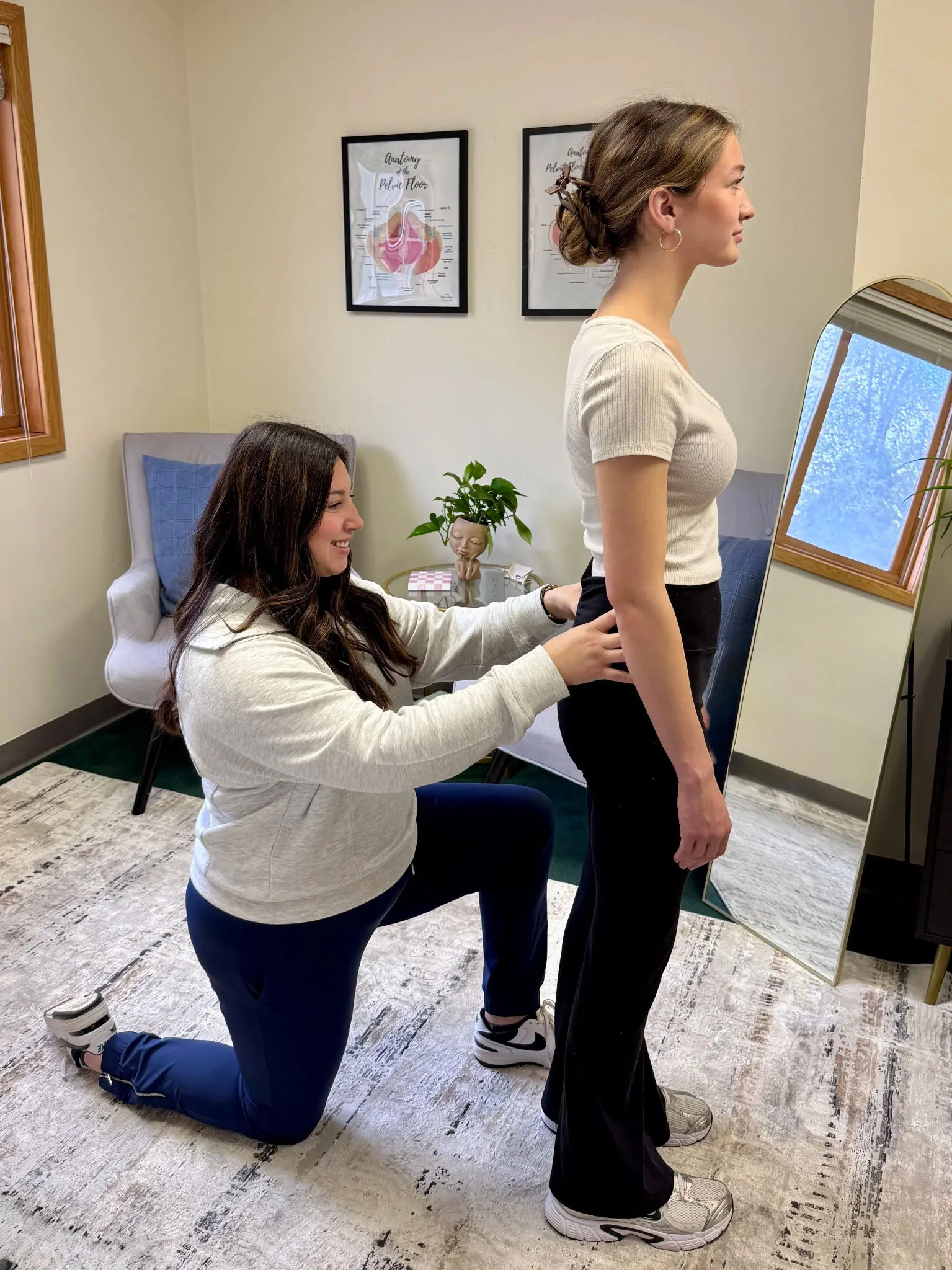
Your first in-person session is a full 60-minute assessment. Sierra evaluates your posture, breathing, and movement and, if you choose, your pelvic floor internally. You'll leave with clarity on what's happening and why.

Your Personalized Plan
You'll receive a treatment plan built specifically for your body and your life, not a generic exercise sheet. Sessions continue one-on-one with Sierra until you're where you want to be.
What Women in Midland Are Saying
From women who rebuilt their core and got back to moving with confidence.


Frequently Asked Questions
Have questions about diastasis recti care at Pelvic Wellness? Here's what women most often ask before booking.
No. A physician referral isn't required for occupational therapy in Michigan. You can schedule your free consultation directly — no paperwork from your doctor and no approvals to wait on — and start working on your core recovery plan right away.
Many women dealing with diastasis recti notice real improvements in core strength, pressure management, and how their midline looks and feels. We focus on retraining the deep core, breath, and pelvic floor to work together — addressing what's driving the separation, not just the appearance.
Not at all. Diastasis recti can improve with the right approach years after delivery, not just in the early postpartum window. The deep core can be retrained at any stage, and many women come to us long after pregnancy and still make meaningful progress.
Your first visit is a 60-minute, one-on-one evaluation. We review your history, talk through your goals, and assess your abdominal wall, pelvic floor, and how your body manages pressure during movement. You'll leave with a clear picture of what we found and a plan for what comes next.
Pelvic Wellness is a cash-based practice. HSA and FSA funds are accepted. A superbill can be provided upon request if you'd like to submit to your insurance for potential out-of-network reimbursement — though reimbursement is not guaranteed and is yours to pursue with your carrier.
Still have questions?
Still have questions about diastasis recti care? We're happy to talk it through on a free consultation call.
Ready to Reconnect With Your Core?
Schedule your free consultation and leave with a clear picture of what's going on with your core — and a plan to rebuild it, step by step.
.webp)